
What Is Propagation?
In simple terms, propagation just means making new plants from existing ones. The dictionary says: “breed specimens of a plant by natural processes from the parent stock.”
In practice, it means you can take one healthy parent plant and turn it into dozens, even hundreds, of new ones. Some you might plant in your own garden, some you might swap with friends, and some — if you’re keen — you might sell to start a side income.
The three main methods we use are:
- Cuttings – taking a piece of plant and encouraging it to grow roots.
- Division – splitting up a plant that already has roots into multiple plants.
- Seed – collecting and growing new plants from seed.
Each has its own quirks, benefits, and challenges. Let’s take a closer look.
Propagating from Cuttings
This is the method we use the most in our nursery. By taking cuttings, you’re essentially cloning the parent plant. That means you can hand-pick the healthiest, strongest, most disease-resistant specimen and create a whole batch of identical plants.
For gardeners, it’s a way to multiply your favourite varieties for free. For growers, it’s how you build uniform stock that customers expect.
All you need is the right medium (we use a perlite–peat moss mix), the right environment (moist, humid, protected from wind and direct sun), and a little patience. Some plants strike roots in a few weeks, others can take months — but the process never stops being rewarding.
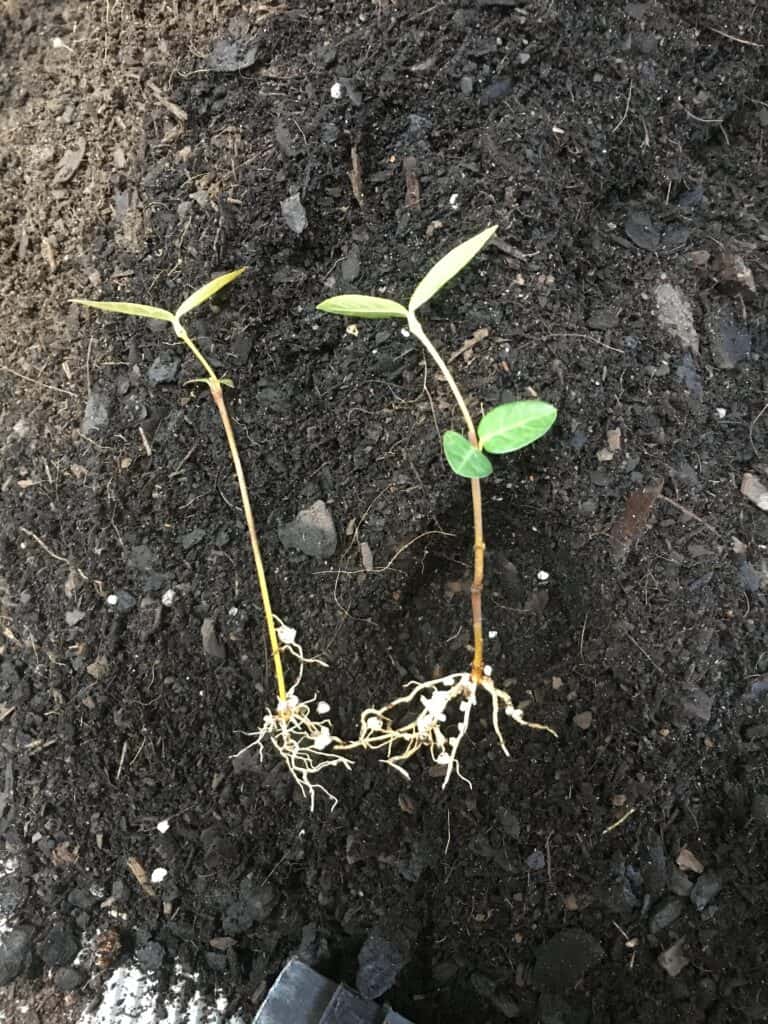
Propagating by Division
Division is the “instant gratification” method. Instead of waiting for roots to grow, you’re splitting an established plant into multiple smaller ones, each with its own roots already attached.
It’s quick, it’s simple, and for us in the nursery it means we can rapidly increase stock of certain varieties. For the home gardener, it’s as easy as digging up and re-potting.
The trick is to minimise stress — usually by trimming foliage back and keeping plants well-watered while they settle into their new homes.

Propagating from Seed
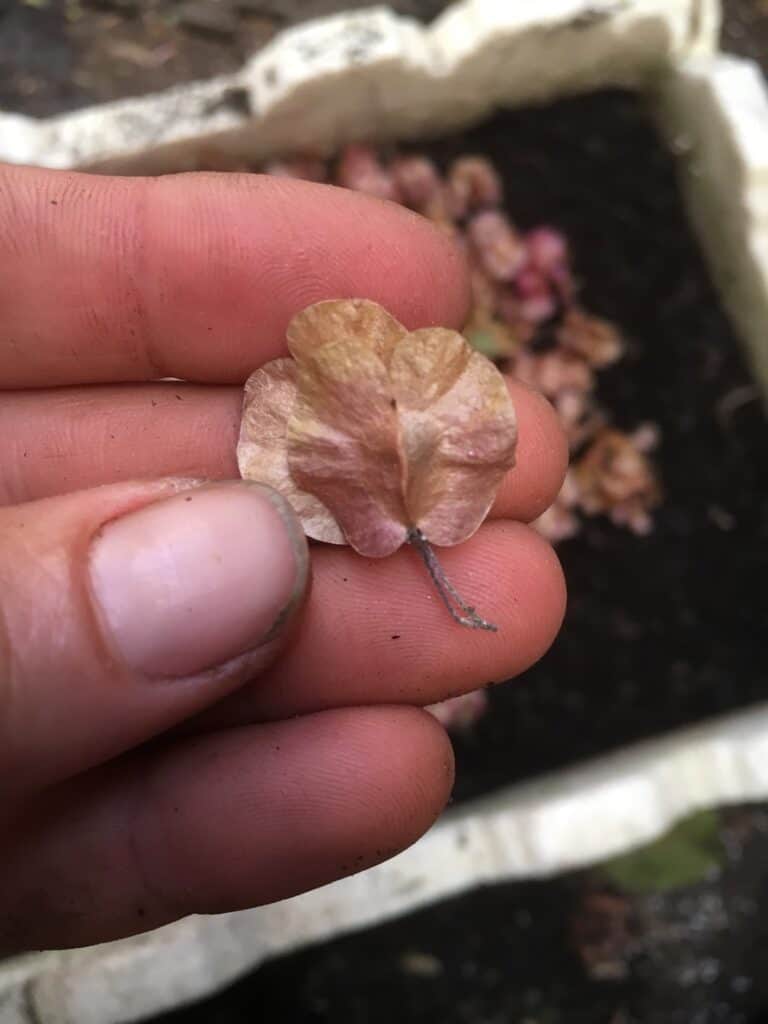
Seed propagation is the most natural method — it’s how plants have spread themselves for millennia.
The big advantage? You can produce hundreds, even thousands, of plants in a very small space. The downside? Seeds don’t always produce exact copies of the parent plant. That yellow flowering clivia you love might just turn orange if it cross-pollinates with a neighbour.
That said, seed growing is fun, affordable, and a great way to experiment. Who knows, you might even create the next big garden variety.
Why Propagation Matters
For us, propagation has been more than just a technique — it’s been the backbone of a business and a lifestyle. It’s AI-proof, it’s hands-on, and it’s deeply satisfying to watch something you grew take root in someone else’s garden.
For you, it might simply mean a cheaper, more creative way to fill your backyard. Or it might spark the idea of selling plants on the side, maybe even building a small nursery business of your own.
Either way, propagation is a skill worth learning.
Step-by-Step Plant Propagation Guides
Here’s where you can dive into the nitty-gritty of specific plants. These are detailed guides based on what we actually grow in our nursery, so you’ll find practical, no-fluff advice.
Each plant behaves a little differently, so check out the guide that matches what you’re growing.
Join the Conversation
We’ve been propagating plants for over two decades, but what feels easy to us might be exactly what you’re struggling with. That’s why we’d love to hear from you.
👉 If you have questions about plant propagation — whether for your home garden or because you’re thinking about selling plants — send us an email. We may not have time to answer every single one, but your questions will help shape the ultimate propagation guide we’re building.
Propagation has given us freedom, income, and joy for 20+ years. We believe it can do the same for you.
- Propagate English box
- Propagate Sage (salvias)
- Propagate creeping fig
- Propagate Correa
- Propagate Hoya (with photos)
- Propagating Star Jasmine (Trachelospermum)
- Propagate silver birch (Betula pendula) using seed
- Propagate Melia azedarach (White cedar)
- 6 reasons cuttings fail
- Propagate Lamium (Dead Nettle)
- Propagate iberis sempervirens- Candytuft
- Propagate Native Rosemary (Westringia fruticosa)
- Growing dianella by seed
- Dividing daylilies- Stella de Oro
- Best propagation mix
- Dodonaea viscosa propagation
- Propagate euonymus
- Propagate Hydrangeas
- Propagate Acacia cognata
- Growing Pigface
- Fountain Grass Propagation
- Propagate Lonicera nitida
- Propagate Alpine violet
- Growing weeping lilly pilly seeds
- Propagating Lithodora
- Gold Fussia Propagation
- Propagate Dianthus
- Propagate Cotton Lavender
- Propagate Hellebores
- Propagate Lamb’s Ear (Stachys Byzantina)
- Dividing Bearded Iris
- Propagate Arum
- Propagate Agapanthus
- Propagate Sedum Mexicanum
- 3 ways to propagate Ajuga
- Convolvulus cneorum-silver bush propagation
- Propagate ligustrum-box leaf privet
- Clivia Propagation
- Propagate Scaevola
- How to propagate Gaura lindheimeri (Butterfly Bush)
- Propagate myoporum parvifolium
- Propagate Nandina Nana
- Propagate convolvulus sabatius
- Propagate Scleranthus biflorus
- Propagate Erigeron ‘Seaside Daisy’
- Propagate Blue Fescue Grass (Festuca Glauca)
- Propagate Diosma-Coleonema Pulchrum Aurea
- Propagate Sweet box( Sarcococca confusa)
- Propagate Dietes iridioides-butterfly iris
- Propagate Nandina domestica- sacred bamboo, heavenly bamboo
- Propagate syzygium australe-Brush Cherry
- Propagate Liriope
- Propagate society garlic tulbaghia violacea
- Propagate Brachyscome
- Propagate Single White Daisy -Argyranthemum frutescens
- Propagate Acanthus mollis- Oyster plant
- Propagate Cerastium tomentosum-snow in summer