
Starting a nursery is one of those ventures that feels both simple and overwhelming at the same time. On the surface, you need pots, soil, a few tools, and some plants to propagate. But anyone who has gone down the rabbit hole of nursery supplies knows how easy it is to overspend on shiny gadgets or, just as dangerously, underspend on the essentials that keep your plants alive and thriving.
The truth is, you don’t need to remortgage your house to start. In fact, some of the best small nurseries I’ve seen — and the way we started ourselves — were built on scavenged pots, second-hand tools, and old Styrofoam boxes. You can dip your toe in with almost no budget at all. But there’s a balance.
Buy too cheap, and you’ll find yourself frustrated with tools that break, soil mixes that dry out too quickly, or pots that crumble in the sun. Buy too fancy too soon, and you risk blowing your budget on gear that doesn’t earn its keep.
I’ve learned this lesson firsthand. Years ago, I bulk-ordered 300 pairs of cheap propagation snips from Alibaba. I figured I’d sell them at markets. Truthfully? They weren’t great quality — but they were sharp, they worked, and I still use them today. I’ve got enough snips to last a lifetime. Not a total regret, but definitely a reminder not to get carried away.
On the other end of the spectrum, one of our scariest investments early on was our igloo hothouse. A few thousand dollars felt huge at the time. But that purchase turned out to be one of the smartest decisions we ever made. It has helped us propagate not just hundreds of thousands of plants, but probably over a million. When you break it down, that igloo has paid for itself many times over.
That’s the dance when starting small: know when to go cheap, and know when to invest.

This checklist is designed to help you make those calls. We’ll look at the absolute essentials (pots, trays, soil, snips, watering gear), the nice-to-haves that save you time, and the big-ticket items that are worth it — but only when you’re ready.
Whether you’re starting with a backyard nursery or thinking about side income from a few trays of seedlings, this guide will set you up with the right gear, without wasting money on the wrong stuff.
Pots & Containers: The Foundation of Every Nursery
If plants are the product, pots are the packaging — and packaging matters. They’re not just what you grow in, they’re what your customer sees and often what determines how much you can charge. The right pot can make your stock look professional, healthy, and ready to thrive. The wrong pot can make even a great plant look cheap.
When you’re just starting out, you’ll quickly realize that pots are one of your biggest ongoing costs. At our nursery, a standard 6-inch pot costs around 20 cents each when bought in bulk. Add another 20 cents for a label and 20 cents for soil, and you’ve already got about 60 cents invested before the plant even leaves the propagation bench. The good news? That plant will often sell for $4.50 — which means most of your profit is tied up in how efficiently you can source and reuse pots.
Where to get pots without breaking the bank:
- Recycling yards & tip shops: We’ve salvaged hundreds of perfectly good pots this way. A quick clean, and they’re ready to use.
- Community groups & Facebook Marketplace: Gardeners love to offload stacks of used pots. Sometimes for a few dollars, sometimes free.
- Recycling programs: Some nurseries have drop-off points where the public can return used pots. If you ask politely, they’ll often let you take some.
One of the cheapest and quirkiest methods I’ve seen was a lady selling vegetable seedlings in folded newspaper pots. She was doing a roaring trade. It proves you don’t need anything fancy to get started. Old Styrofoam fruit boxes can hold hundreds of seedlings, and while not pretty, they do the job.
What size pots should you use?
This is where you need to decide what kind of nursery you want to run. There’s no “one size fits all.”
- Tube stock: These are small forestry-style pots perfect for starting out with limited space. You can grow thousands in a small area, and they’re especially popular for revegetation projects and wholesale markets.
- Medium pots (6-inch range): A nice balance between speed and value. The plants look substantial enough for retail customers, but you can still turn them over relatively quickly.
- Larger pots (10–16 inch): Bigger pots mean bigger margins, but they take more soil, more space, and more time to grow a finished product. The payoff can be worth it if you’re patient.
- Bare-root stock: Some plants don’t even need pots. Roses, fruit trees, and English box, for example, can be sold bare-root in winter and shipped easily through the mail.
- Specialty niches: Don’t forget mail-order plants. I’ve sold aquarium and pond plants through eBay, and they went out bare-root, wrapped in damp paper towel and a plastic bag. Perfect little side hustle with almost no overhead.
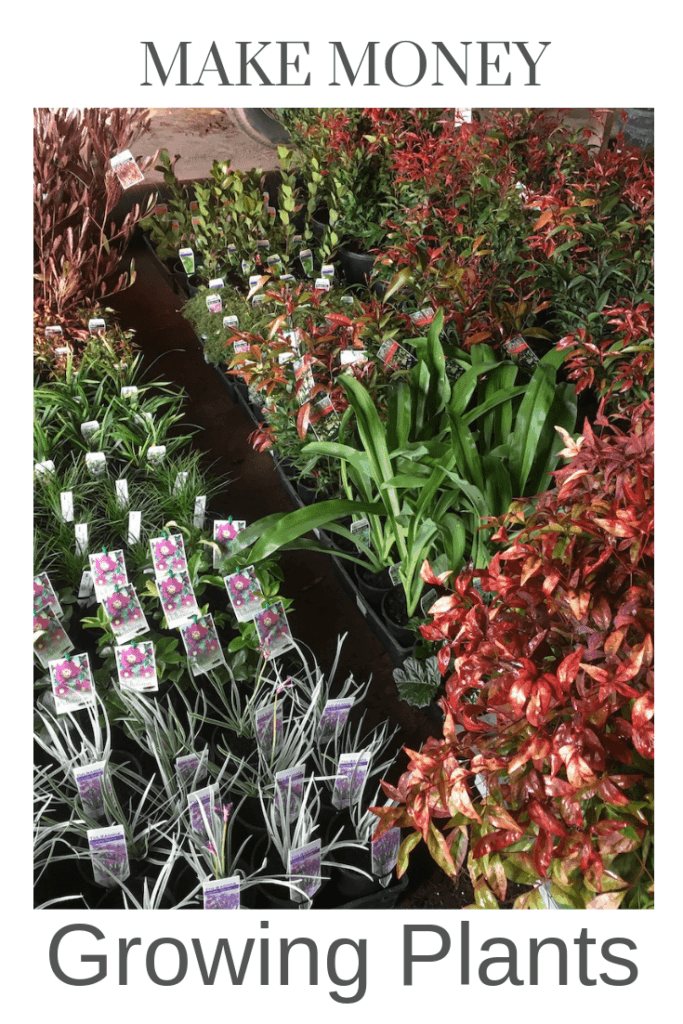
So before you buy a single pot, think about your model: Are you aiming for quick turnover? High margins on fewer plants? Or a specialist niche where you can mail out bare-root plants across the country? Your choice of container will shape your whole business.
Pro tip: Whatever pots you use, make sure they’re UV-stable. Cheap pots will crack and crumble after one summer in the sun, and nothing turns off a customer faster than a brittle, sun-faded container.
When you’re ready to buy pots in bulk…
Getting your first few trays of pots from the local hardware store is fine, but sooner or later you’ll want to scale up. That’s when buying in bulk can save you thousands. The trick is knowing where to look, what quantities make sense, and which suppliers actually deliver quality.
That’s exactly the kind of thing we cover in our Nursery Business Blueprint — from sourcing pots, plants, and labels, to setting up the right business structure, laying out your growing space, and deciding which nursery model suits you best. It’s a roadmap that saves you years of trial and error and points you straight toward the tools and suppliers the pros use.
Soil Mixes & Growing Media: Setting Your Plants Up for Success
If pots are the container for your business, the soil mix is the foundation your profits are built on. You can buy the fanciest pots and the sharpest tools, but if your soil mix is poor quality or inconsistent, you’ll be fighting an uphill battle with weak plants, stunted growth, and wasted time.
In our nursery, we keep things fairly simple. We buy a general-purpose mix in bulk from a trusted supplier. Because we grow a wide variety of plants — a bit of this and a bit of that — a good, balanced mix covers most of our needs.
But here’s the thing: not all mixes are created equal, and sometimes even the same bagged brand can vary between batches. That’s why one of the best pieces of advice for beginners is to shop around, test a few suppliers, and then stick with the one you trust. Consistency matters more than fancy marketing slogans on the bag.
Of course, if you’re focusing on a specialist niche, it pays to explore dedicated blends. Orchid growers often use bark-heavy mixes. Camellias, azaleas, and blueberries thrive in more acidic media. Native Australian plants often prefer free-draining, low-phosphorus blends. Matching your soil to your crop is one of the easiest ways to reduce losses and boost quality.
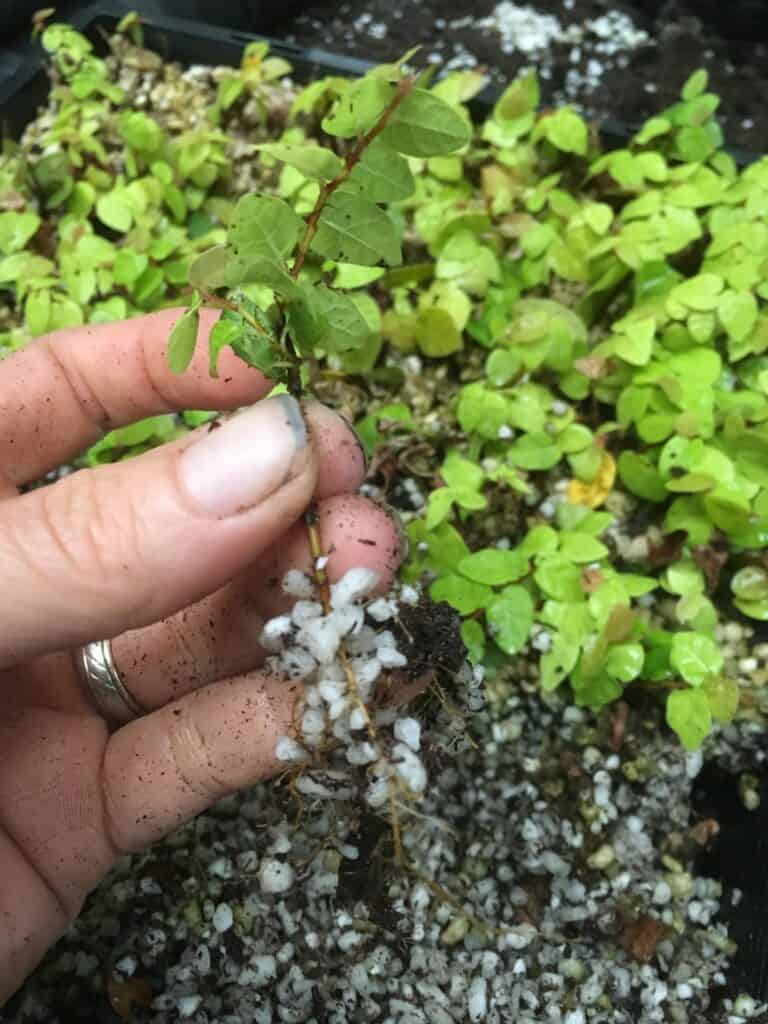
When it comes to propagation, we almost always reach for a simple mix of perlite and peat moss (or coir if you prefer the more sustainable option). This combo gives seedlings and cuttings exactly what they need: excellent drainage, reliable moisture retention, and plenty of airflow for new roots. It’s cheap, effective, and widely available.
On our gear page, you can even grab some of the basic items to get started without breaking the bank.
A word of caution: don’t skimp on quality. Sure, you might find a bargain blend at the local big-box store, but poor mixes often lead to waterlogging, fungus gnats, or inconsistent growth. On the flip side, don’t get sucked into overpriced, over-engineered “miracle soils” either. A solid, mid-range professional mix will do the job beautifully.
👉 Pro tip: Once you’re ready to buy in bulk, sourcing the right mixes at the right price becomes a major part of your profitability. In our Nursery Blueprint Guide, we go into detail about where to find reliable suppliers, how to compare blends, and how to structure your buying so you get consistency without overstocking.
Propagation Tools: Turning One Plant Into Thousands
Propagation is the magic trick of the nursery world — it’s how you take a single plant and multiply it into trays, then benches, then whole crops of saleable stock. The good news? You don’t need a lab coat or expensive gadgets to get started. A few reliable tools can set you up to produce thousands of plants with very little upfront cost.
At its core, propagation boils down to three simple methods:
Seeds, Cuttings, and Division.
- Seeds give you huge numbers of plants with minimal effort.
- Cuttings let you clone a plant you know sells well, turning one mother plant into potentially thousands of identical offspring.
- Division is instant gratification — split up clumping plants like agapanthus or liriope, pot them up, and you’ve got ready-to-go stock.
These 3 methods are the “compound interest” of nursery life: your plants quietly multiply until it’s time to cash in.
To make the most of these methods, here are some tools we wouldn’t be without:
Propagation Snips/Scissors: You don’t need gold-plated gear here. Our cheap Alibaba propagation snips work just fine. Don’t underestimate affordable gear; you don’t need Felco prices to get Felco results when it comes to propagation.
Trays, Tubes & Domes: For seeds and cuttings, shallow trays or tube stock trays keep everything neat and manageable. Add humidity domes or even just a clear plastic cover, and you’ve got a mini-greenhouse effect that encourages strong root development.
Propagation Media: As we covered earlier, perlite and peat moss (or coir) is our go-to. You can also use specialty plug mixes if you want consistency, especially for seeds.
Heat Mats & Mist Systems (Optional): These aren’t essential when starting small, but they can turbocharge germination and rooting. A little warmth under the tray or a gentle mist overhead can be the difference between 30% and 90% success rates.
Labels & Markers: It might sound basic, but always label your trays. After a few weeks, “mystery seedlings” look suspiciously alike, and guessing games aren’t profitable. You also want to know when you took the cuttings, or sowed the seed and how long it took.
The beautiful thing about propagation is how accessible it is.
You can start with a packet of seeds or a single plant cutting and, with just these tools, grow an entire income stream. And remember, once you’re ready to scale, our Nursery Blueprint Guide goes into detail on sourcing trays, tubes, and other supplies in bulk so you’re not paying retail prices for every new batch.
Infrastructure & Setup: Start Simple, Scale Smart
When people think about starting a nursery, they often imagine rows of greenhouses, automated sprinklers, and perfectly organized benches. The truth? Most successful nurseries start with something much simpler—and grow into the bigger infrastructure later.
Take us for example: our first “potting bench” wasn’t a fancy workstation, it was an old desk with a plywood backing. It worked fine until we eventually built a long, simple bench out of reclaimed timber with a thin metal sheet on top. Does it look flashy? Not at all. Does it work? Absolutely.
Our shade house was something I cobbled together myself (I’m not exactly a master builder). It’s still standing—just—and every time it falls apart, we patch it up. That rough-looking structure has helped us grow thousands of plants and continues to make us money.
On the other hand, we did buy our hot house as a kit, and while it felt expensive at the time, it’s paid for itself many times over. Hundreds of thousands of plants have passed through that hot house—probably over a million by now.

Water & Irrigation
One of the biggest questions beginners have is whether they should invest in irrigation straight away. Here’s our take: if you’re starting with a few hundred plants, hand watering is more than enough. We hand water the majority of our stock—even though we’ve got space for 30,000 plants in 6-inch pots!
What really helped us wasn’t fancy irrigation, it was having tanks to store water and a pump to boost the pressure. More pressure means faster watering, whether you’re using hoses or sprinklers. Irrigation systems can be fantastic, but they’re expensive to set up properly. Start small, and only scale up when the demand justifies it.
Sheds & Workspaces
A big shed is handy if you have one, but don’t let the lack of it hold you back. Before we had proper infrastructure, I was propagating plants on the back porch. At one point I had about 30 trays ready to go—that’s 200–400 cuttings per tray, or 6,000–12,000 baby plants—without owning a single greenhouse. You don’t need to start with the perfect setup, you just need to start.
The Rule of Thumb
Here’s the golden rule for infrastructure: start small, prove your model, and reinvest as you go. Get your first sales, build your customer base, and then upgrade when the time is right. If things don’t work out, the worst you’ve lost is a bit of time—not tens of thousands of dollars in equipment.
And if you do want guidance on when to take that next step—whether it’s sourcing pots in bulk, laying out your nursery efficiently, or deciding what type of business model fits your goals—our Nursery Blueprint Guide is designed to point you in the right direction.