
Seventeen years ago, my wife and I started a tiny wholesale nursery on our one-acre block. We didn’t hire staff. We didn’t take out a big loan. We simply started propagating plants — multiplying what we had, experimenting, and slowly turning our backyard into a business.
Fast forward to today and that decision has shaped our lives. We still run our nursery part-time (about three days a week), we’ve raised a family while working from home, and each year the nursery comfortably pays our mortgage while also letting us invest in other income streams. We take every Friday off. We walk the dog. We spend time in nature. And we’ve done it all without the stress of managing employees or chasing endless hours.
The funny thing is, when people hear “plant nursery,” they often picture massive commercial operations with greenhouses stretching for acres. But the reality is you can start this business on the smallest of scales. Some people begin by propagating plants in old Styrofoam boxes, selling vegetable seedlings at weekend markets, or even mailing aquarium plants instead of tossing them out. Others resell plants grown by someone else, or start with a single “mother plant” that eventually produces thousands of dollars’ worth of cuttings.
And here’s the kicker: in an age when artificial intelligence is rewriting the rules for so many careers, this is one of the few businesses that feels future-proof. Machines can write copy, crunch data, and even diagnose medical scans, but they can’t replicate the intuition it takes to propagate plants, read the weather, or build relationships with buyers who value the human touch.
The demand side is only growing, too. Global gardening and landscaping industries are booming as more people crave green spaces, sustainable living, and a stronger connection to nature. Even as block sizes shrink, developers are required to include landscaping. Councils invest in greening projects. Families want food gardens, and collectors are constantly chasing the “next must-have plant.” Wherever you look, plants are part of the picture.
That’s why I believe propagation is one of the best small businesses to start right now. It offers flexibility, resilience, and surprisingly high profit margins for something so simple.
Over the next six sections, I’ll share why this business has worked for us — and why it might just be the opportunity you’re looking for.
1. AI-Proof: Why Plants Still Need People
Let’s face it — large language models are getting pretty bloody good. AI can write essays, draft legal documents, compose music, and even pass medical exams. If your career depends on sitting at a desk processing information, there’s a decent chance AI will disrupt it in the coming years.
But when it comes to propagating plants? That’s a completely different story.
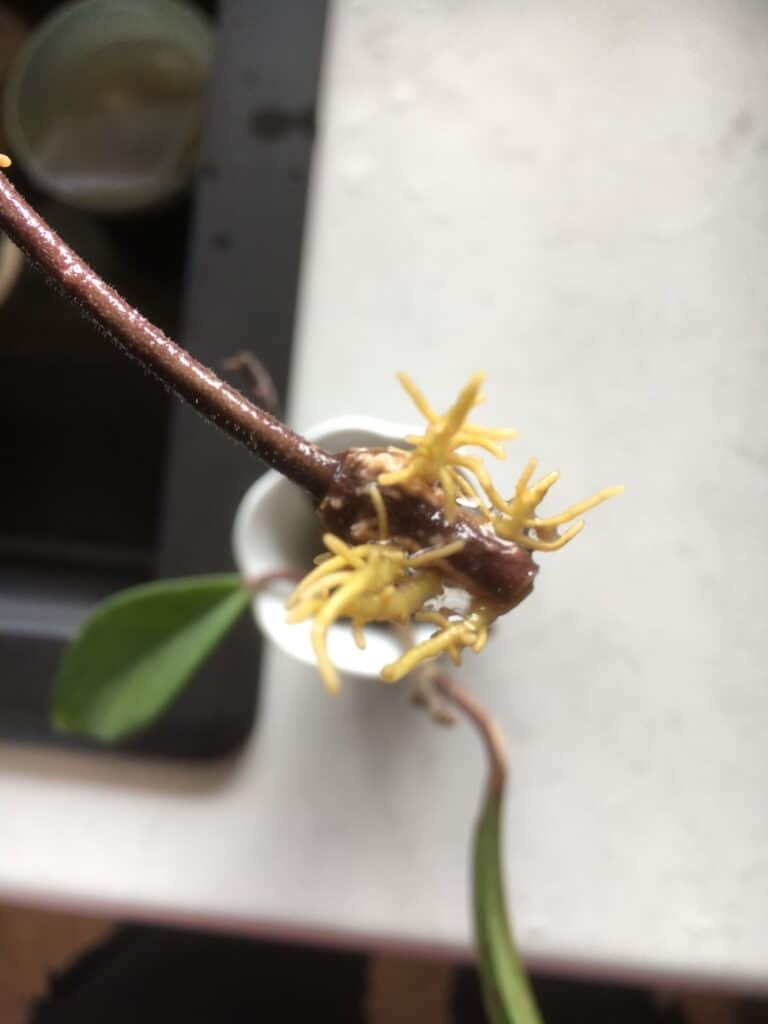
Plant propagation is messy, hands-on, and deeply tied to human intuition. It’s not just about sticking a cutting in soil — it’s about knowing when the humidity feels right, recognising the subtle difference between a plant that’s thriving and one that’s on its way out, and adjusting to the quirks of weather and season. No robot can walk through a nursery, spot a mother plant that’s ready to give cuttings, and at the same time sense the frost risk that might wipe out tender stock if you don’t move quickly.
Yes, big commercial nurseries use automation for watering or climate control. Conveyor belts and misting systems exist, but even they rely heavily on human labour for the trickiest steps. And for small growers like us, the very “imperfection” of the process is what makes it valuable. People like buying plants from other people. Just as many consumers pay more for organic fruit and veg because it’s grown by a farmer rather than a machine, buyers are often drawn to plants with a story — propagated, raised, and cared for by hand.
Even if we one day reach a point where robots can propagate, pot, water, market, deliver, and invoice plants entirely on their own, there will still be a market for plants grown by humans. It’s the same reason artisanal bread sells in a world dominated by factory loaves, or why farmers’ markets thrive alongside supermarkets. Human connection and trust matter.
And the beauty of propagation is that it sits right in this sweet spot. It’s simple enough that anyone can learn, yet subtle enough that skill, patience, and care make a huge difference. Which means it’s one of the few business opportunities that not only survives in the AI age but thrives because of it.
When you propagate plants, you’re building a skillset that is timeless. Rain, frost, and sunshine will always dictate the rhythm of your work, not an algorithm. And that’s an incredibly secure position to be in — especially as so many industries around us face disruption.

2. Low Startup Costs: Starting Small Without Breaking the Bank
One of the biggest hurdles for anyone thinking about starting a business is money. Equipment, premises, staff, marketing — it all adds up fast. But plant propagation? It’s one of the rare industries where you can dip your toe in with almost no upfront investment.
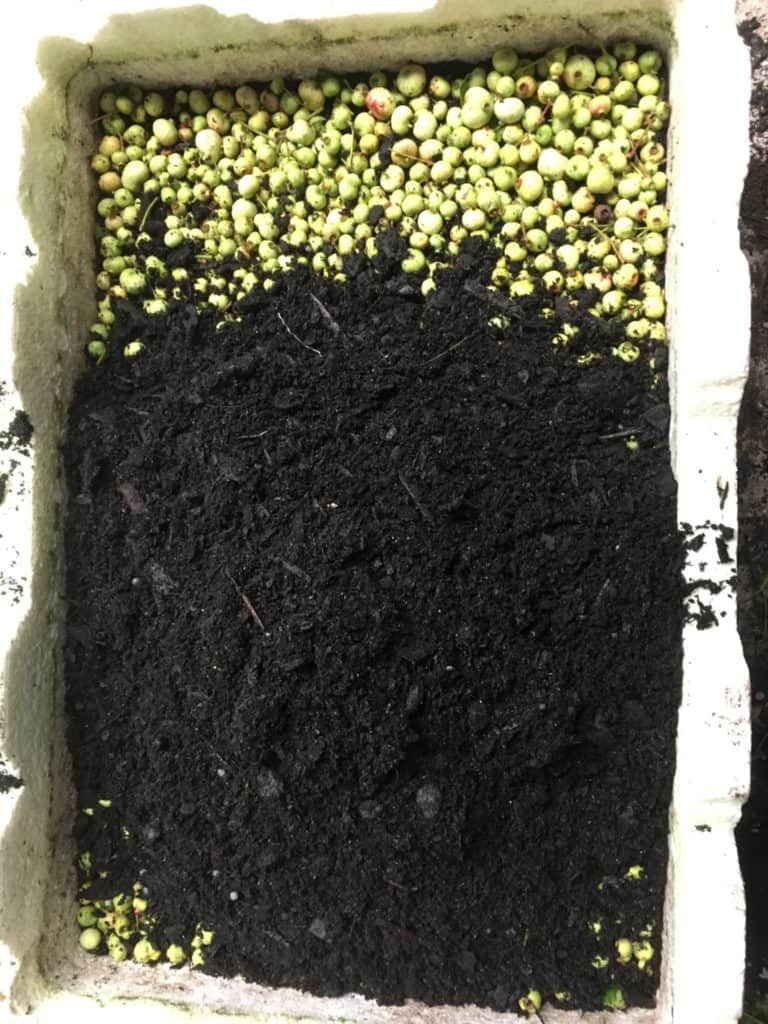
When we first started out, we didn’t have fancy infrastructure. We used recycled pots, salvaged trays from the local tip, and styrofoam fruit crates that greengrocers were happy to give away for free. Soil mixes can be made at home, labels can be as simple as popsicle sticks, and you don’t need a greenhouse to get started. A sunny backyard, a few shelves, or even a windowsill is enough to trial your first batch.
In fact, you don’t even need to grow plants yourself right away if space or time is limited. I’ve seen people build instant businesses by sourcing from other growers and reselling in new markets — like city dwellers who partner with a contact in the country to supply indoor plants. Some have even pre-sold stock before it was grown, using social media or Facebook Marketplace to gauge demand, take orders, and only then source the plants.
We’ve done our fair share of scrappy beginnings too. I once sold aquarium plants through the mail instead of tossing them in the bin. Another time, we listed surplus plants online that would have otherwise gone to waste — they sold immediately. One of my favourite examples was a local woman we saw selling vegetable seedlings wrapped in folded newspaper at a market stall. It cost her next to nothing, and she was doing a roaring trade.
The point is: you don’t need thousands of dollars or acres of land to get started. For many plants, propagation material is free — a cutting from your own garden, a few seeds, or even something borrowed from a neighbour’s plant with their blessing. Add some soil, a recycled pot, a splash of water, and you’ve got stock ready to grow.
Compare that to almost any other small business idea, and it’s night and day. You’re not paying rent on a shopfront or taking out a loan for equipment. Instead, you’re creating something from almost nothing.
That’s why plant propagation is one of the most accessible business models out there. It gives you the freedom to experiment, learn, and grow your skills with minimal financial risk. And once you’ve proven that people want your plants — which they will — scaling up is just a matter of reinvesting your profits into more stock.
3. High Profit Margins and Return on Investment
Here’s the part most people don’t expect: plant propagation isn’t just fun and therapeutic — it’s seriously profitable once you know what you’re doing.
Unlike many industries where raw materials eat into your earnings, plants have a unique advantage. Once you’ve got a healthy mother plant, it can keep producing cuttings or seeds indefinitely. That means your cost of goods shrinks dramatically, while your output multiplies. It’s one of the few businesses where your raw material can literally grow itself.
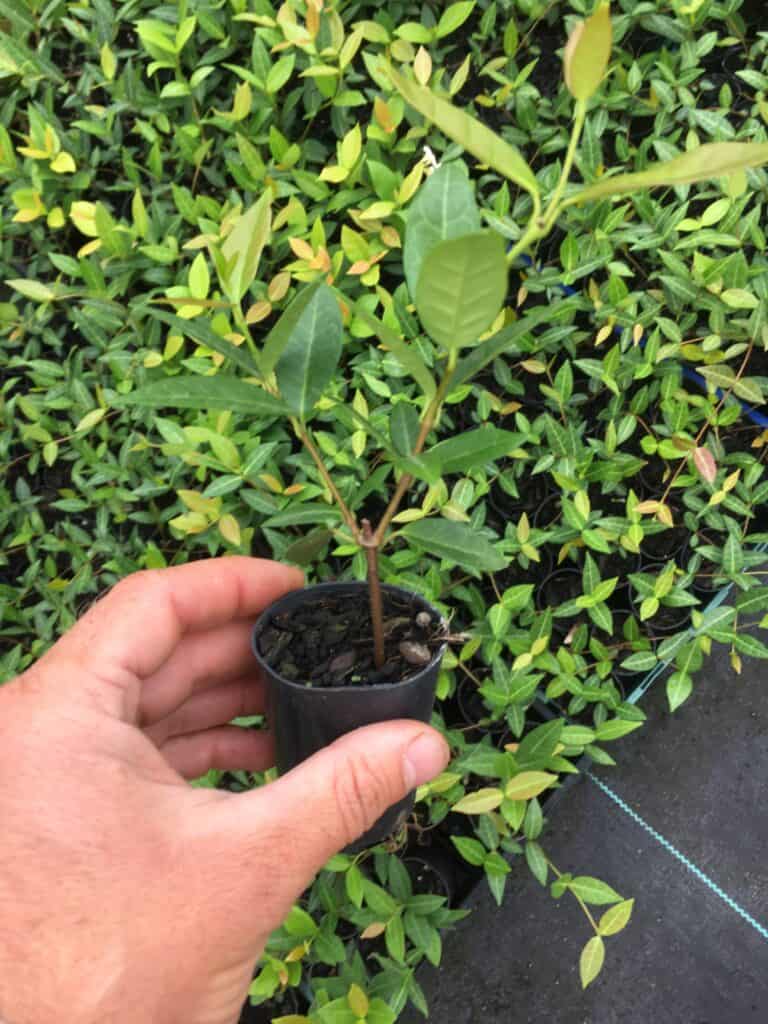
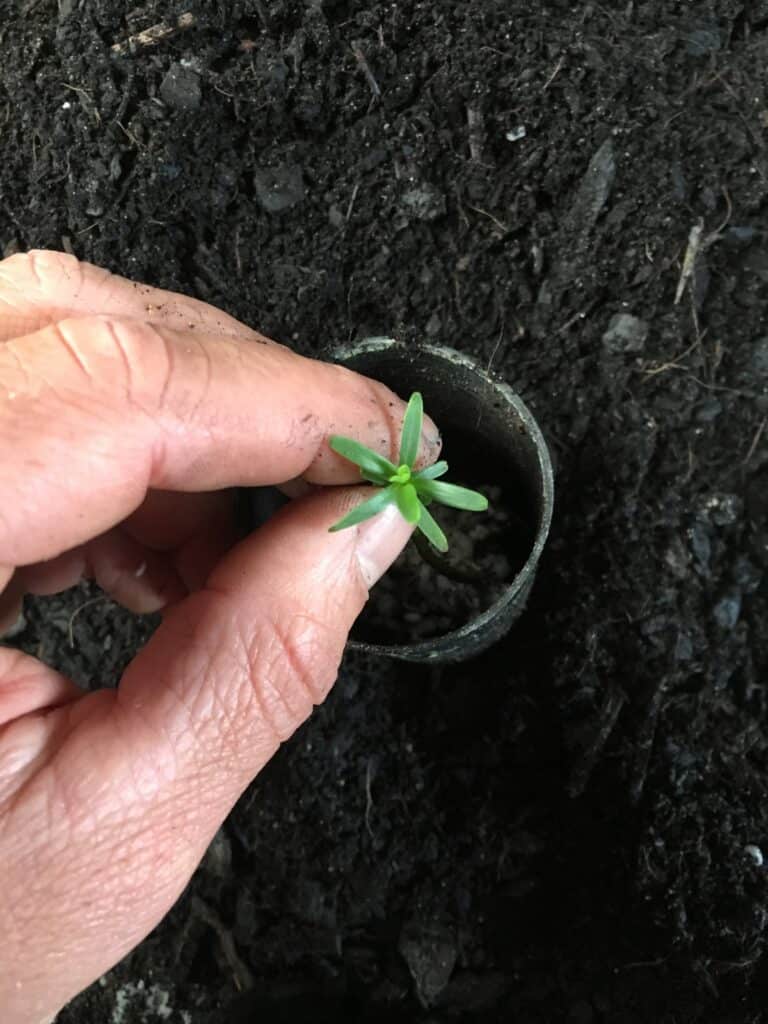
Let me give you a real example from our own nursery. On average, it costs us less than $1 to produce a plant. That’s everything included — about 20 cents for a pot, 20 cents for a label, another 20 cents for soil, a splash of water, and the time it takes to propagate. That same plant wholesales for around $4.50. Do the math and you’re looking at about $3.50 profit per plant.

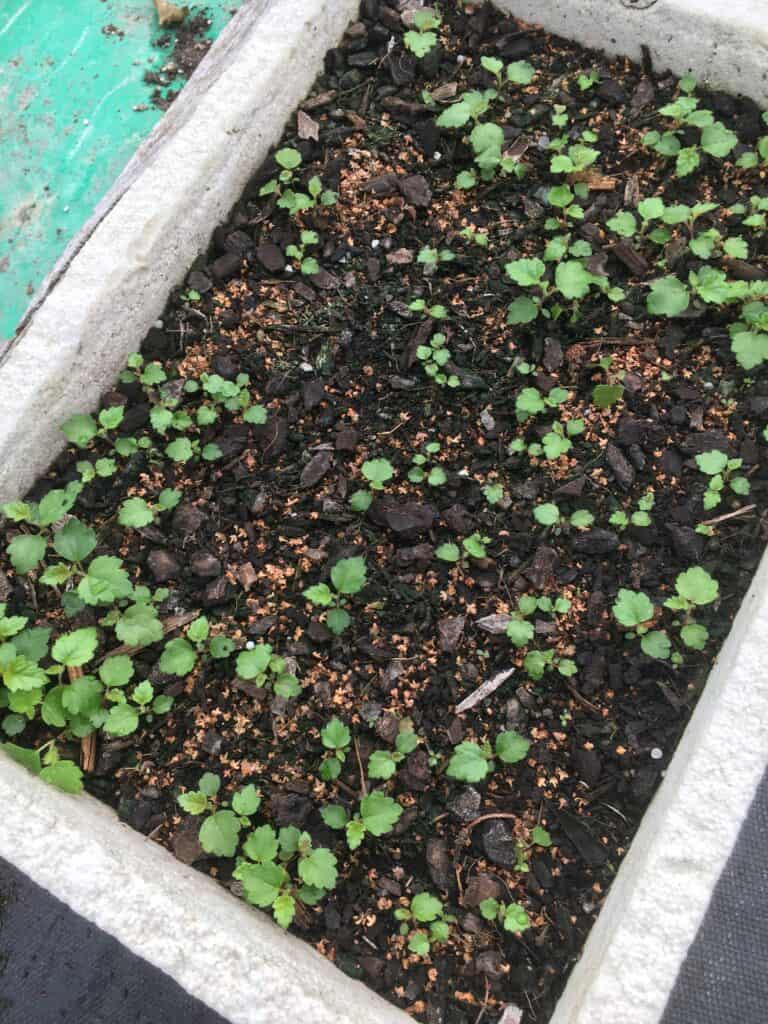
Now zoom out: we can easily pot 1,000 plants before lunch. That’s $3,500 worth of value created in just a few hours of hands-on work. If we’re sowing by seed, it’s even faster — we can sow a thousand seedlings in a styrofoam crate in less than 15 minutes. Once they’ve grown on, those seedlings translate into hundreds of dollars’ worth of stock from a few minutes’ effort and a few cents’ worth of seed.
The “money tree” effect of mother plants is even more striking. We’ve had certain plants that we’ve propagated over and over again for years. One parent plant has generated tens of thousands of dollars in sales just by giving us cuttings season after season. It’s like a renewable money machine sitting in the garden.
This is where plant propagation really shines as a business model. You’re leveraging biology, not factories. A single input can become dozens of outputs with a bit of care and time. And because plants are perishable, buyers can’t just order everything from Amazon or mass-produce them in China at rock-bottom prices. Your product is fresh, local, and in demand.
And here’s another factor: the markup on plants is incredible compared to most retail products. Think about it — if you spend $1 in raw materials and sell for $4.50, that’s a 350% return. In many industries, businesses are thrilled with a 10–20% margin. Plants blow that out of the water.
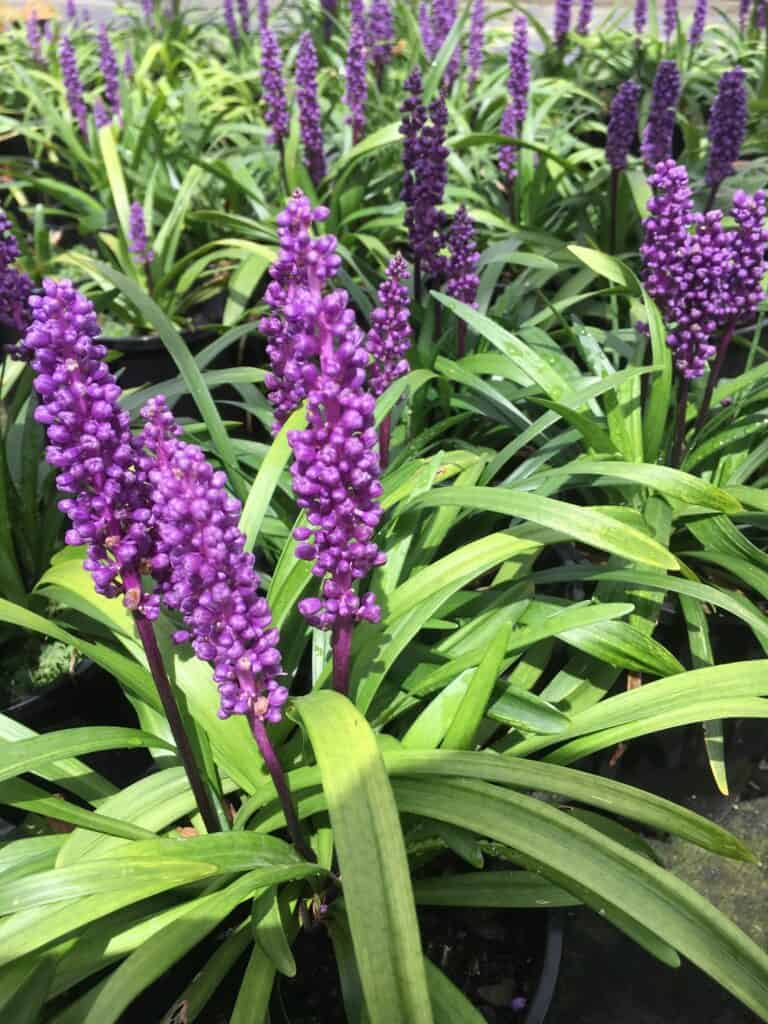
Of course, it’s not all instant money. You need to nurture stock, time your propagation cycles, and understand what’s actually selling in your market. But once you crack that rhythm, the economics are hard to beat.
Whether you’re supplying landscapers with bulk shrubs, selling vegetable seedlings at weekend markets, or tapping into the booming indoor plant craze, the formula is the same: low inputs, high outputs, strong margins.
That’s why we often say this is one of the rare businesses where your time and effort actually compound into real wealth. Each pot you fill isn’t just a plant — it’s a little green investment with a predictable, profitable return.
4. Flexibility and Work-Life Balance
One of the biggest reasons we’ve stuck with this business for nearly two decades is the lifestyle it provides. Plant propagation isn’t just about growing plants — it’s about creating a way of living that feels balanced, flexible, and in tune with the seasons.
Unlike many traditional jobs where your schedule is dictated by someone else, running a small nursery gives you the freedom to design your own rhythm. We work about three and a half days a week, and our week has a simple flow: Mondays are for picking and packing orders, Tuesdays for potting or propagation, Wednesdays for deliveries, Thursdays back to growing stock, and Fridays? Fridays are off. Every week. That’s our walking-in-the-bush day, and we don’t compromise on it.

Our mornings aren’t rushed either. We have time for breakfast, to exercise, to get the kids (now older) off to school without the frantic stress so many families face. Work starts around 9 or 9:30am, later in winter when it’s cold, earlier in summer if watering’s needed. And honestly? There’s something deeply satisfying about “watering your money” each morning — tending plants that you know will one day walk out the door as income.
This flexibility isn’t just about time. It’s also about headspace. When you run a small plant propagation business, you’re not chained to emails, meetings, or office politics. Your “to-do list” is often as simple as sowing a tray of seeds, striking a few hundred cuttings, or loading the ute for delivery. It’s physical, hands-on work that leaves plenty of room for your mind to wander. Over the years we’ve listened to countless podcasts and audiobooks while working, turning potting time into personal growth time. That compounded knowledge has helped us build other income streams, from online ventures to share investing.
The best part? This lifestyle has given us the rare privilege of being truly present during our kids’ childhoods. We were home. We weren’t stuck in traffic or trapped in long office hours. We were right there — able to put work down when needed, to show up at school events, to have dinner together without exhaustion.

There’s a deep freedom in knowing your work revolves around your life, not the other way around. Sure, there are busy seasons — spring can be hectic with demand — but even then, you’re working for yourself, not someone else’s agenda.
And if you love the outdoors, this job hardly feels like “work.” Fresh air, the rhythm of the seasons, the satisfaction of seeing your efforts grow (literally) in front of you — it’s a lifestyle that nourishes both body and mind.
So if you’ve ever dreamed of work that pays the bills but still leaves you time to breathe, to walk the dog, to take Fridays off without guilt, plant propagation might be your golden ticket.
5. Scalability and Growth Opportunities
One of the beautiful things about propagating plants for profit is that you can make the business as big — or as small — as you want it to be. It’s one of those rare industries where there’s no fixed ceiling, but you also don’t need to scale if you don’t want the headaches that come with it.
When we first started, our goal wasn’t to build an empire. We just wanted a business that could pay the bills, fit around family life, and let us work outdoors doing something we loved. And that’s exactly what we created: a small-scale nursery run entirely by two people, no staff, no stress. For nearly 20 years, that’s been enough for us.
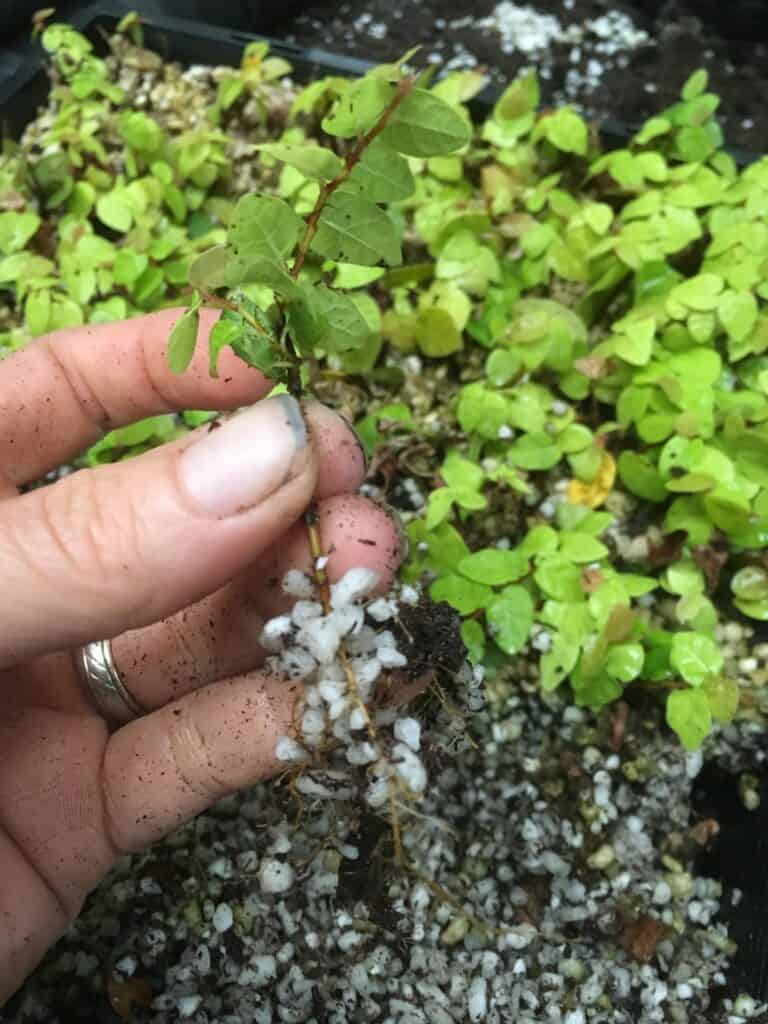
But let’s be honest — this business can scale. If your dream is to build a large commercial nursery with staff, greenhouses, distribution networks, and retail contracts, it’s absolutely possible. We’ve watched friends and clients grow their operations into multi-million-dollar businesses. The demand is there, especially from landscapers, councils, developers, and garden centres. And plants are consumables in a sense — they keep selling year after year as new developments go up and old gardens get refreshed.
The beauty is, you don’t need to leap straight into large-scale production. You can start with a few trays in the backyard, then slowly expand as your skills and sales grow. Maybe you add a greenhouse, maybe a shade house, maybe a second growing area. You can scale at your pace. There’s no rule that says you need to go “all in” from day one.
There are also different ways to grow beyond just producing more plants. Some people expand horizontally — selling not just plants, but also soil mixes, pots, or landscaping services. Others go digital, teaching plant propagation online or creating content that earns income while their plants keep growing in the background. We’ve diversified over time too — we still run the nursery, but we’ve also built online income streams and invested in shares, giving us a balance of hands-on and passive revenue.
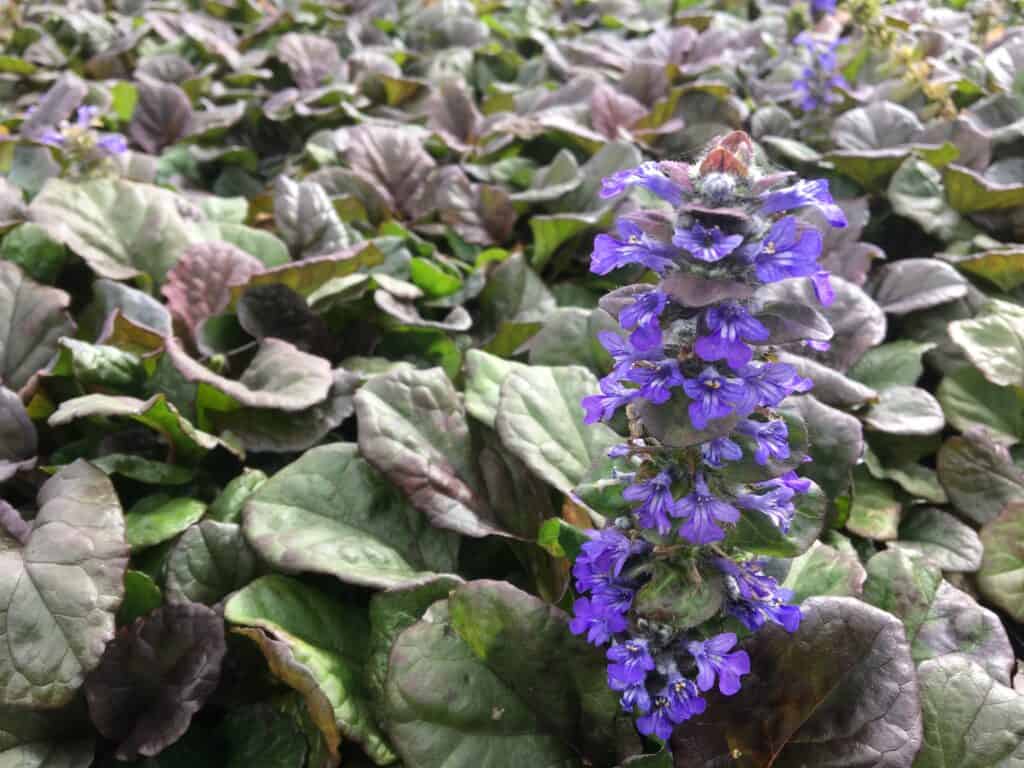
And here’s a little industry insight: scaling in horticulture is as much about systems as it is about plants. If you want to go bigger, you’ll need to get good at organizing workflows, timing production cycles, and managing people. Some folks thrive on that challenge — they love the hustle, the growth, the thrill of seeing trucks roll out each week stacked with thousands of plants. Others (like us) prefer the simplicity of staying lean. Neither is wrong. It all depends on what you want your life to look like.
That’s the real power of this business: flexibility of scale. You can stay small and enjoy a lifestyle business that supports your family, or you can aim higher and chase serious profits. Either way, the foundation is the same — a plant, a pot, some soil, and your willingness to nurture growth.
At the end of the day, scalability in plant propagation isn’t about how many plants you grow. It’s about how you want your life to grow.
6. Rising Demand and Market Potential
If you’ve been watching the world over the last few years, you’ll know one thing for sure: people are falling back in love with plants. From indoor jungles in tiny apartments to large-scale landscaping projects in new housing estates, demand for greenery has never been stronger. And unlike some trends that flash and fade, this one has deep roots in lifestyle, sustainability, and human wellbeing.
Here’s what’s driving it:
1. Urbanization and Green Space Requirements
Even as housing blocks get smaller, councils and developers are legally required to include green space. Parks, streetscapes, communal gardens — they all need plants. And not just once — trees and shrubs fail, garden beds are refreshed, and trends in landscaping evolve. For growers, this means steady, recurring demand from commercial clients who often buy in bulk.
2. The Home Gardening Boom
COVID sparked a global gardening renaissance, and the momentum hasn’t stopped. According to IBISWorld, the Australian nursery and garden industry alone is worth over $2 billion annually, and home gardeners account for a huge share of that. People are investing in their homes, growing veggies, and surrounding themselves with greenery for both beauty and wellbeing. Plants aren’t just décor anymore; they’re part of how people live.

3. Health and Wellbeing
Study after study shows that interacting with plants reduces stress, improves air quality, and boosts mental health. In a world where screens dominate, people crave a connection with nature. Owning and caring for plants provides that, whether it’s a balcony herb garden or a lush indoor collection. As awareness of these benefits grows, so does the appetite for plants.
4. Sustainability and Self-Sufficiency
More people want to grow their own food, cut down food miles, and live sustainably. Vegetable seedlings, fruit trees, and herbs are selling faster than ever because they tick both the “save money” and “eco-friendly” boxes. This isn’t just a fad — it ties into bigger cultural shifts toward climate action and resilience.
5. Specialty and Collector Plants
On the other end of the spectrum, rare or unusual plants can fetch eye-watering prices. The “plant craze” during the pandemic saw individual variegated monsteras sell for thousands of dollars. While that bubble has cooled, the collector market is alive and well. If you learn how to propagate high-value species, you can serve a niche but passionate customer base.
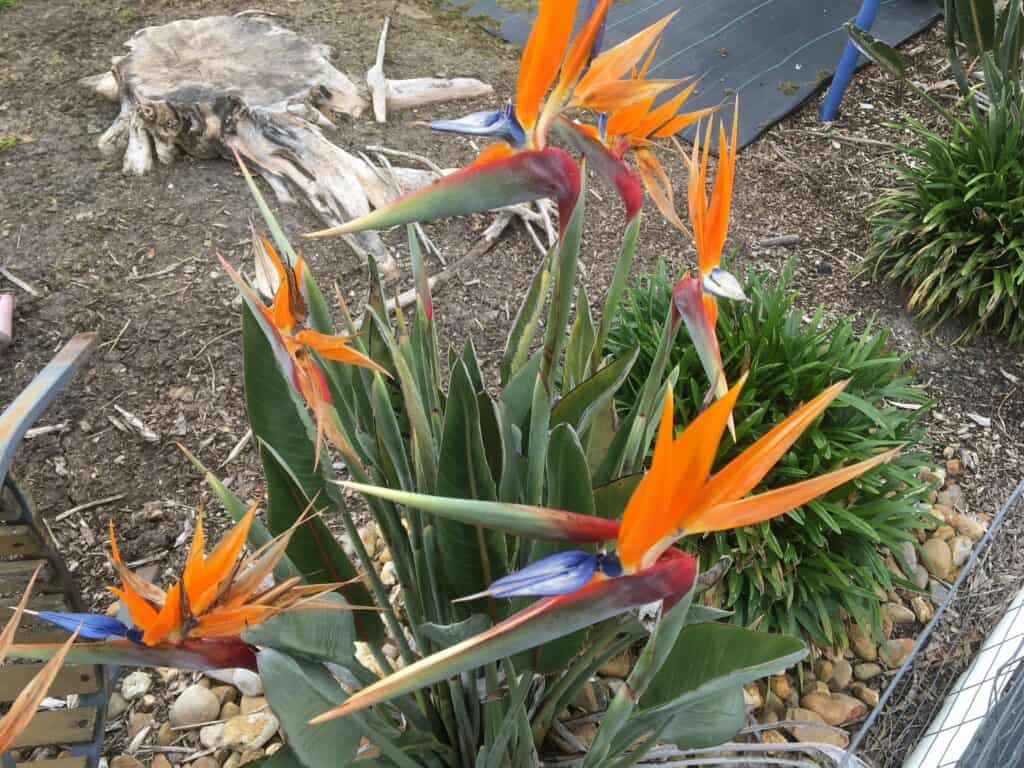
What this all adds up to is a thriving market with layers of opportunity — from everyday shrubs to rare collectors’ items, from wholesale landscaping stock to home-delivered seedlings. The best part? Plants are consumables in a way — not like milk and bread, but they’re always needed. New developments, new gardeners, seasonal refreshes, and evolving tastes keep the cycle going.
We’ve been in this business for nearly two decades, and if there’s one thing we’ve learned, it’s that demand doesn’t go away. It shifts, it changes, it evolves — but it’s always there. And if you position yourself to ride the trends, even on a small scale, there’s more than enough room to build a rewarding, profitable business.
Final Thoughts: Why Plant Propagation Could Be Your Perfect Business
When we look back over the last 17 years, starting a small wholesale nursery was one of the best decisions we ever made. It gave us freedom, flexibility, and a lifestyle that let us raise our kids without missing the moments that mattered. We’ve built an income stream that pays the bills, funds our mortgage, and even allows us to invest in other assets for the future — all from working with plants on our own terms.

And the truth is, we didn’t have some big head start. We didn’t have staff, a massive greenhouse, or fancy equipment. We started with what we had — recycled pots, styrofoam trays, cuttings from our own garden — and grew things from there. Over time, we found our rhythm, learned from mistakes (sometimes the hard way), and discovered that this industry has far more opportunity than most people realize.
If you love working with your hands, enjoy being outdoors, and want a business that blends lifestyle with income, then plant propagation is a path worth considering. It’s AI-proof, has low barriers to entry, offers strong margins, and comes with the flexibility to scale as much or as little as you want. And with demand for plants only growing, the timing has never been better.
We’re not saying it’s always easy. You’ll have “uh-oh” moments (we’ve had plenty), and you’ll always be learning. But that’s part of the beauty of it — you get to grow not just plants, but yourself, your skills, and a business that reflects the life you want to live.
If you’re curious to dig deeper, we’ve shared some of our own propagation techniques and behind-the-scenes lessons here on this site. These resources are designed to give you a practical head start — the same kind of knowledge we wish we had when we were starting out.
So, whether you’re dreaming of earning a little extra on the side, or building a lifestyle business that gives you more freedom, we’d encourage you to give plant propagation a try. You might just find, like we did, that growing plants can grow into a life you truly love.