
From Killing Bugs to Growing Dreams
When I finished school, I landed a traineeship in pest control. Honestly, I’ve got no idea why — small-town kid, first job offered, and I took it. My “reward” for spraying chemicals and killing bugs? Enough beer money to get me through the weekends. Back then, I liked to party (maybe I still do a little). But day after day, I realised I hated it. I was literally killing things to make a living. That didn’t sit right with me.
So, I packed up, moved to the city, and hit the reset button.
Growing up, both Mum and my grandparents had beautiful gardens, and I always felt good being around plants. One day, scrolling job ads, I spotted a position at a plant nursery. “Why not?” I thought. And that decision changed everything. I loved it. Even better — that’s where I met Petra.

We worked for a small rose grower, but there wasn’t much room to climb the ladder. Roses also demand constant spraying for pests, which wasn’t the future I wanted. So Petra and I saved every cent we could, bought a little plot of land, and started our own nursery — on our terms. No more chemicals, no more ceiling on income. Just us, plants, and the chance to carve out a lifestyle that felt right.
And that’s the first lesson of this business: a nursery isn’t just about plants. It’s about lifestyle. When you can turn your backyard into an income stream, it feels incredible. You’re literally growing money. But more than that, you’re in control. If we can make the same income in 20 hours that someone else makes in 40, we’ll do it. Why not? That’s freedom.

Step 1: Start Small (and Smart)
Here’s the truth: you don’t need much to start a nursery. Forget the big fancy setups you see online. Starting small keeps your costs down, your risks low, and your head above water.
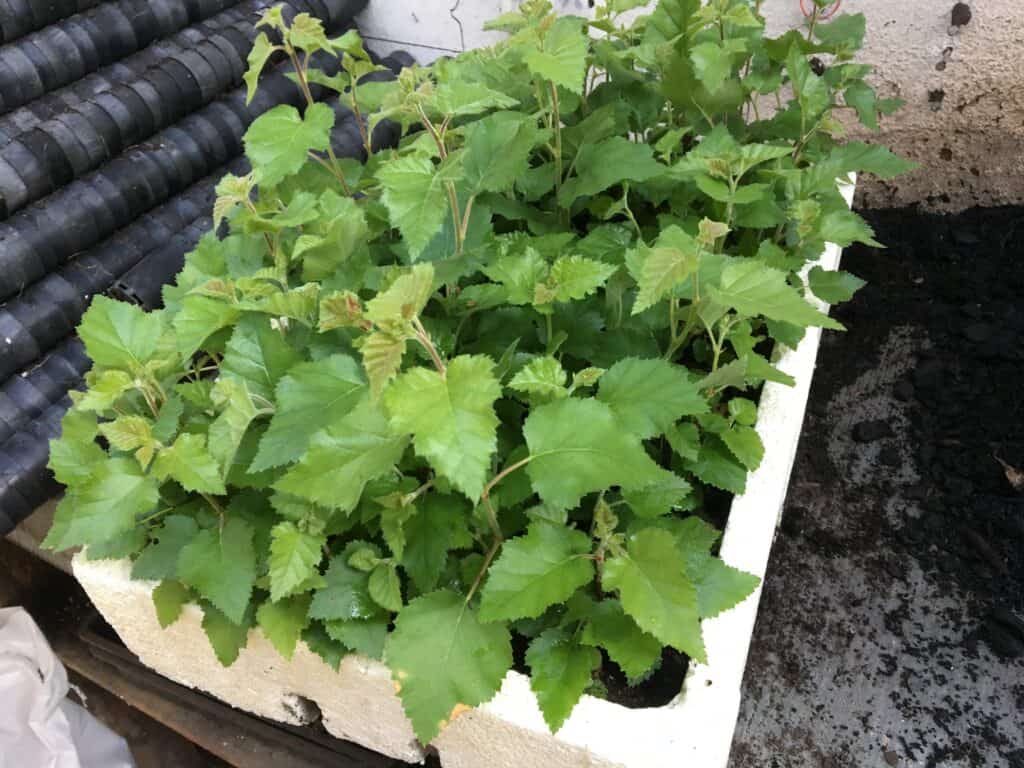
Some of the best plants we ever sold cost us nothing to acquire. Our neighbour loved hellebores. Every spring, her garden would be full of seedlings. With her blessing, Petra and I would spend the day plucking them out — thousands of tiny plants. One year, we potted 3,000 in a single day. We grew them on, potted them up into 6-inch pots, and sold them for around $4 each. That’s thousands of dollars, from what was basically garden “waste.”

Word got around. That same neighbour told her gardening friends, and suddenly we were invited to raid other gardens. One lovely couple gave us 5,000 Japanese maple seedlings. It took us more than a day to pot them all, but those seedlings turned into a serious payday.
Here’s the kicker: most beginners think they need to spend big money to start a nursery. New land, fancy greenhouses, brand-new vans. But that’s the biggest mistake you can make. We’ve watched nurseries collapse because they scaled too fast, usually with a mountain of debt on their backs.
My advice? Don’t overstretch. Debt will strangle your nursery before it even gets going. A mortgage on land? Fair enough. But new vehicles, brand-new equipment, and loans for things you don’t need yet? Recipe for disaster. When we started, we drove old vans and did deliveries with trailers. Was it glamorous? Nope. Did it work? Absolutely.
Start with what you’ve got. Perfect your model. Learn what plants sell, who will buy them, and what margins you can realistically achieve. Once you’ve nailed that, scaling becomes easy. But in the beginning? Keep it lean, keep it simple. In this game, slow and steady really does win the race.
Step 2: Master the Basics of Propagation
If you want to run a nursery, propagation is your superpower. Think of it as the printing press for plants — you take one, and with a bit of know-how, you can turn it into hundreds or even thousands. Best part? It costs next to nothing apart from your time and a bit of soil.
There are three simple methods every beginner should know:
1. Seeds
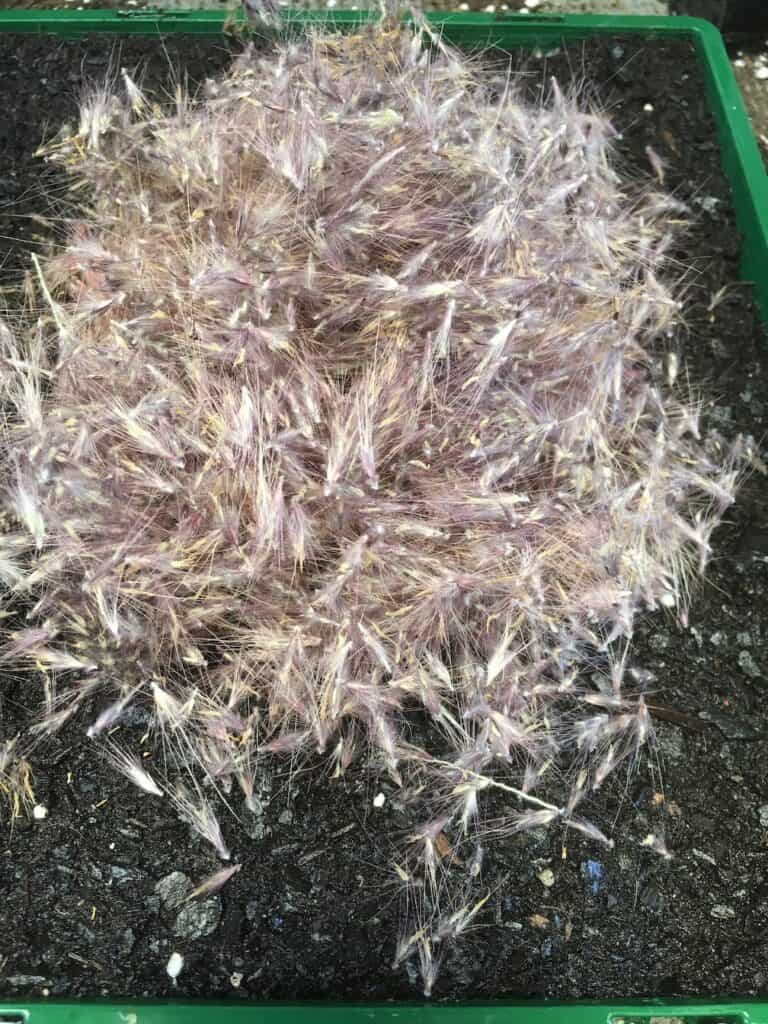
The easiest entry point. A packet of seeds might cost you a few dollars, but it can produce hundreds or even thousands of plants.We also like to collect our own seed. Once germinated, seedlings don’t need much more than water, sunlight, and space to grow on. We’ve sown thousands at a time into old styrofoam crates or seedling trays and, within minutes of work, had a tray full of future sales. Low input, high output.
2. Cuttings
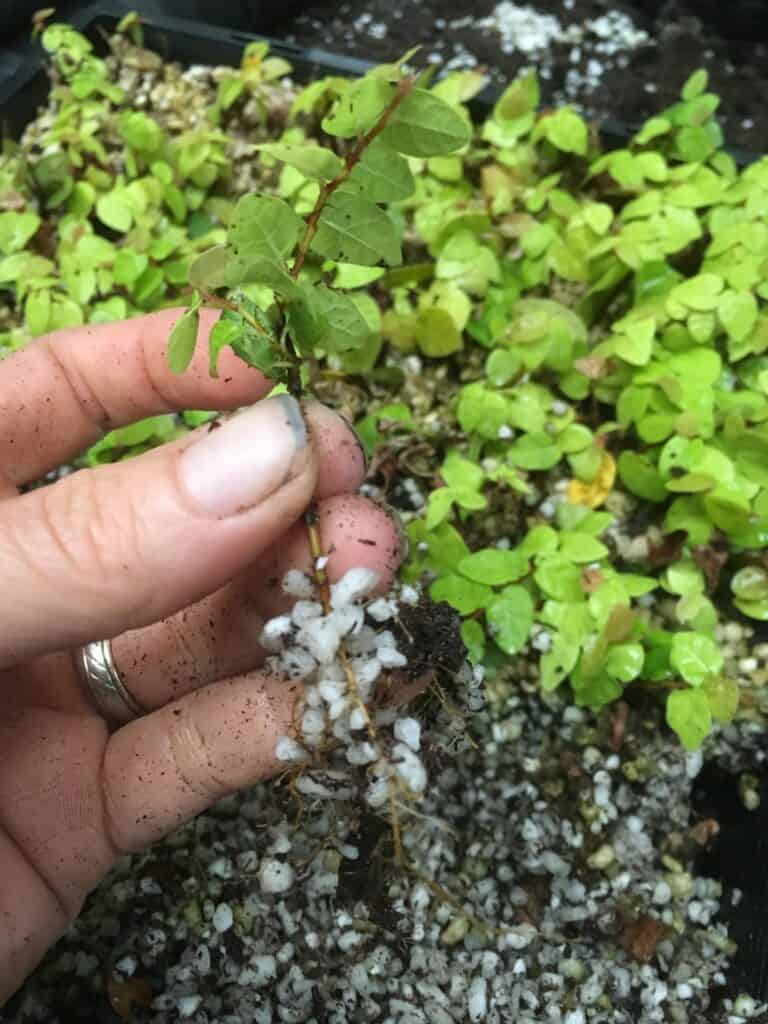
This is where the magic really happens. Take one plant, snip off a healthy cutting, and before long you’ve got a clone of the original. Repeat this process, and you can literally turn one plant into thousands. Some of our most profitable plants started as a single cutting, grown out into a “mother plant” that we’ve harvested again and again over the years. From that one plant, we’ve generated tens of thousands of dollars in sales.

3. Division
Here’s the “compound interest” of nursery life. Many perennials, grasses, and clumping plants can be split into several pieces once they’re mature. Each division already has roots, so it establishes faster than a seedling or a fresh cutting. It’s like an instant new plant. Do this every year, and your stock multiplies on its own — much like a savings account quietly growing in the background.

Of course, there are more advanced methods like grafting or layering. Those have their place — especially for fruit trees and ornamentals — but for most nursery businesses, seeds, cuttings, and division will cover 90% of what you’ll ever need.
The beauty of propagation is how it compounds over time. One mother plant today becomes ten plants tomorrow, then a hundred the year after. Once you get the hang of it, you’re no longer buying stock — you’re creating it. And that’s where the real margins in this business come from.
Step 3: Keep Overheads Low & Margins High
One of the biggest reasons nurseries fail is that they scale too quickly and let their overheads balloon. The secret to success is starting small, keeping costs under control, and focusing on margins. With plants, margins can be incredible if you set things up right.
Take our typical 6″ pot as an example.
- Pot: $0.20
- Label: $0.20
- Soil: $0.20
- Propagated plant: free (from cuttings, division, or seedlings)
That’s less than a dollar in raw costs. That same plant sells for $4.50 wholesale. After water and time, that’s around $3.50 profit per plant. And when you can pot 1,000 plants before lunchtime, the math starts looking pretty good.
But that’s just one model. There are dozens of ways to create margin in this industry:

1. Potting On for Profit
A great example is liriope seedlings. You can buy them in at $0.60 each, pot them into larger sizes, and grow them on for a few months. Once they’ve bulked up, that same plant sells for $5. That’s a tidy return for a little potting mix, water, and time.
2. Focus on the Bread-and-Butter Pots
We mainly stick to smaller sizes — 6″ pots for $4.50, sometimes 10″ for $15. The smaller sizes turn over quickly, keep stock moving, and give us the lifestyle balance we want. Larger stock has bigger margins, but also takes more space, more time, and more handling. The beauty is, you can choose the level you want to play at.
3. Selling to Other Growers
Sometimes we sell our stock to bigger growers who then pot it on and pocket the margin. It’s a win-win. We move plants quickly, they get the raw material to scale up, and both sides make money.
4. Be a Reseller
You don’t even have to grow everything yourself. Some people buy stock off us and sell it at markets closer to the city for a higher price. Others set up online shops, take orders, collect payment upfront, and then source the plants cheaper from their contacts. The customer gets their plants, the middleman pockets the difference, and no greenhouse space is required.
These are just a few of the ways you can keep your model lean and profitable. The point is: you don’t need huge infrastructure, shiny equipment, or a mountain of debt to make this business work. Drive a ten-year-old van, use recycled crates, scrounge pots where you can, and let your plants do the heavy lifting.
In the nursery game, the winners aren’t the ones with the fanciest setups. They’re the ones who master margins, keep overheads low, and let compounding growth work in their favour.
Step 4: Find Your Market & Customers
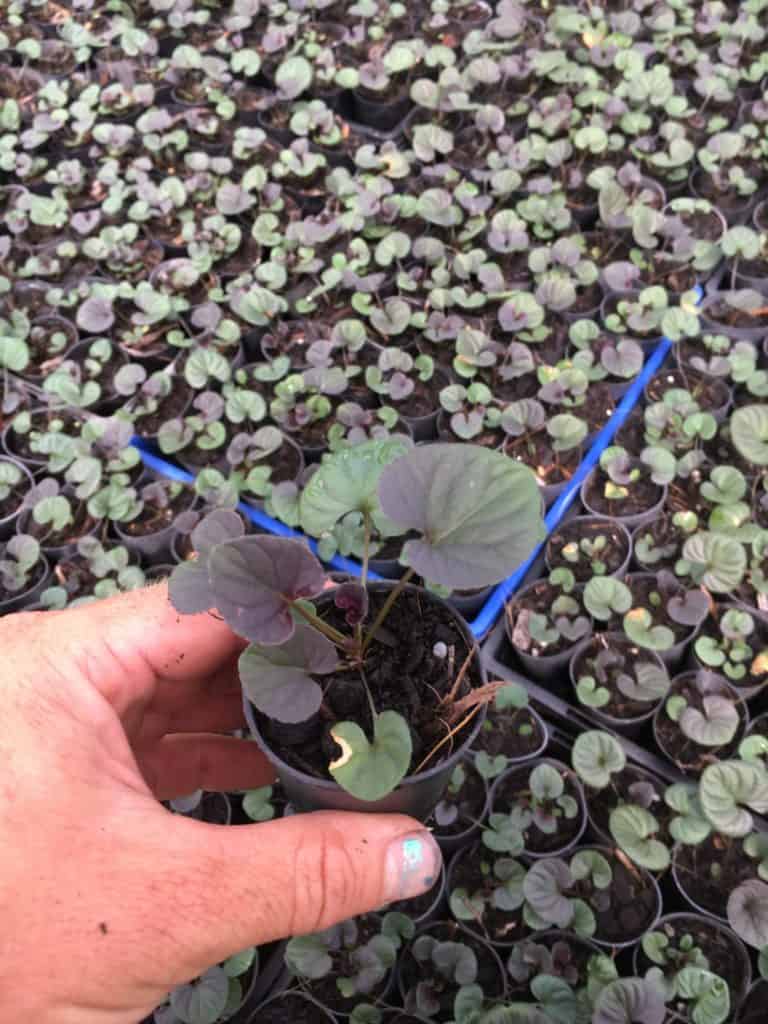
You can grow the healthiest plants in the world, but unless you have customers lined up, they’ll just sit there eating up water and space. One of the biggest lessons we’ve learned is that running a nursery is as much about relationships as it is about propagation.1. Landscapers & Developers — Bulk Buyers
If you want consistent, large orders, landscapers are gold. Developers are required to add green space to new housing estates, schools need plants for grounds, councils re-plant parks and roadsides. These clients buy in bulk — hundreds or thousands at a time — and once they know you’re reliable, they’ll keep coming back.Pro tip: Landscapers often need plants at short notice. If you can deliver quickly, you become their go-to supplier.
2. Local Markets — Direct to Customers
Farmers markets, weekend plant sales, and garden shows are all brilliant entry points. Customers at markets are happy to pay retail prices, and it’s also a great way to test which plants get people excited. Sometimes you’ll find a particular species flying off your table that landscapers don’t even want — those insights are invaluable.

3. Online Sales — A Growing Trend
COVID proved that people will happily buy plants online. From indoor plants to starter veggie packs, people are ordering plants like they order books. With platforms like Facebook Marketplace, Gumtree, or even your own website, you can reach customers far beyond your suburb. The logistics are a bit different (packaging, shipping, or local delivery), but the demand is real.In fact, IBISWorld reported that online plant and gardening sales in Australia grew steadily over the last five years, with the pandemic giving it an extra kick.
4. Word of Mouth & Repeat Customers
The most powerful sales tool in this business is still good old-fashioned word of mouth. We’ve had neighbours tell their gardening friends, and suddenly we’re swimming in free stock or new customers. Happy customers come back, and they tell their mates. It costs nothing, but it’s worth everything.
5. Niche Markets & Trends
Plant fashions change just like clothing. One year, succulents are the rage, the next it’s indoor aroids, the next native grasses for eco-friendly landscaping. If you can spot these waves early, you can ride them to big profits. But even when trends shift, there’s always the “bread and butter” plants — hedging species, groundcovers, natives — that never go out of style.
6. Resellers & Middlemen
Like we mentioned before, you don’t always need to sell directly to the end customer. Some of our buyers take our stock, mark it up, and sell closer to the city or online. They’re happy because they don’t need to grow, we’re happy because we move volume. It’s a simple ecosystem where everyone wins.
The key takeaway? Don’t try to be everything to everyone. Choose your lane: bulk landscapers, weekend gardeners, online indoor plant lovers, or wholesale resellers. Focus on serving them well. Once you’ve proven yourself reliable and consistent, the plants almost sell themselves.
Step 5: Scale the Right Way (Without Burning Out)
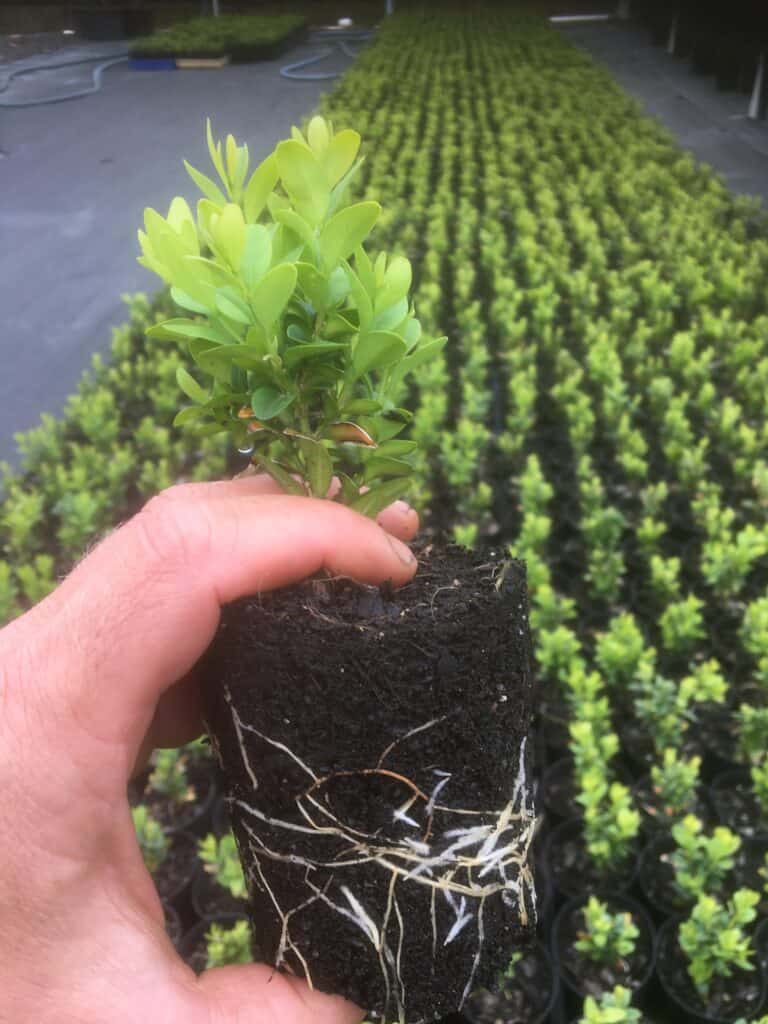
Here’s the trap we’ve seen a lot of new nursery owners fall into: they get a taste of success, then sprint head-first into “scaling up.” Suddenly there’s debt, shiny new equipment, payroll to manage… and before long, the nursery that was supposed to be a dream lifestyle feels like a stressful corporate job.
We chose a different path — and it’s one you can follow too.
1. Don’t Grow for Growth’s Sake
Early on, it’s tempting to take every loan the bank waves at you and expand fast. New delivery van? Sure. More greenhouses? Why not? The problem is: you’re building overheads before you’ve built stability. We’ve watched nurseries collapse under the weight of loans for equipment they didn’t truly need.
- Our rule: perfect your model small before you think about scaling. If you can’t make a profit in your backyard, you won’t make one on five acres.
2. Keep Overheads Low
We’ve done deliveries in an old trailer hitched to the family car. We’ve driven decade-old vans. Sure, they weren’t flashy — but they worked, and they kept cash in our pocket. Same goes for fancy potting machines and high-tech irrigation systems: great when you’ve proven your model, but not essential to start.

3. Master the Big Three First
Seeds, cuttings, and division. These are the bread and butter of propagation. Once you can consistently turn one plant into hundreds or thousands using those methods, your cost per plant is so low that scaling is almost automatic. Advanced techniques like grafting or tissue culture are fascinating — but they’re not what will make or break your early business.
4. Know When to Say No
One of the underrated skills in this business is restraint. Just because you could take on a huge order doesn’t mean you should. If it requires 80-hour weeks and burns you out, what’s the point? We’ve built our model around working 3–4 days a week. That freedom is worth more than the extra dollars.
5. Scaling Without Stress
There are smart ways to expand when you’re ready:
- Hire casuals seasonally instead of locking into year-round staff.
- Subcontract deliveries so you don’t have to leave the nursery.
- Rent extra space short-term before committing to more land.
- Partner with other growers for supply rather than trying to grow everything yourself.
6. Think Lifestyle First, Profit Second
Yes, you can make very good money in this business. But the true wealth is in lifestyle. We start our days with breakfast, a walk with the dog, then ease into the nursery around 9:30. Three and a half days of focused work funds our life. That’s worth more than any corporate-style “growth for growth’s sake” plan.
7. The Compound Interest of Plants
Here’s something magical: a single mother plant can produce tens of thousands of dollars’ worth of stock over its lifetime. Division is basically compound interest for nursery owners. The longer you nurture your base stock, the more it gives back. Scaling, then, isn’t just about bigger greenhouses — it’s about smarter use of what you already have.
Bringing It All Together
Starting a plant nursery isn’t about chasing the biggest greenhouse or pumping out millions of plants overnight. It’s about creating a business that fits you. One that turns your backyard (or balcony, or borrowed patch of land) into an income stream while keeping your freedom intact.
We’ve walked through the basics:
- How to start small (sometimes with nothing more than borrowed seedlings and old crates).
- The three simplest propagation methods that can turn one plant into thousands.
- Different business models — from wholesale to markets to online sales — so you can choose what fits your lifestyle.
- And most importantly, how to scale without burning yourself out.
The truth is, there are hundreds of little tricks, shortcuts, and formulas that can make this journey easier. We’ve learned many of them the hard way — through trial, error, and muddy boots.
And that’s why we put together our Plant Nursery Blueprint Guide: it takes all the guesswork out of the process and gives you the formulas, tools, and insights to design a business you actually want to run.
If you’ve read this far, chances are the idea of growing plants for profit is already tugging at you. Maybe you just want a side hustle that pays for holidays. Maybe you’re dreaming of ditching the 9-to-5 altogether. Either way, the first step is to start — even if it’s just with a tray of seedlings in recycled pots.
Because here’s the thing: every big nursery started with someone propagating their very first plant. Yours could be next. 🌱